
Skip the Crowds, Find the Soul: Your Local's Guide to Hiroshima
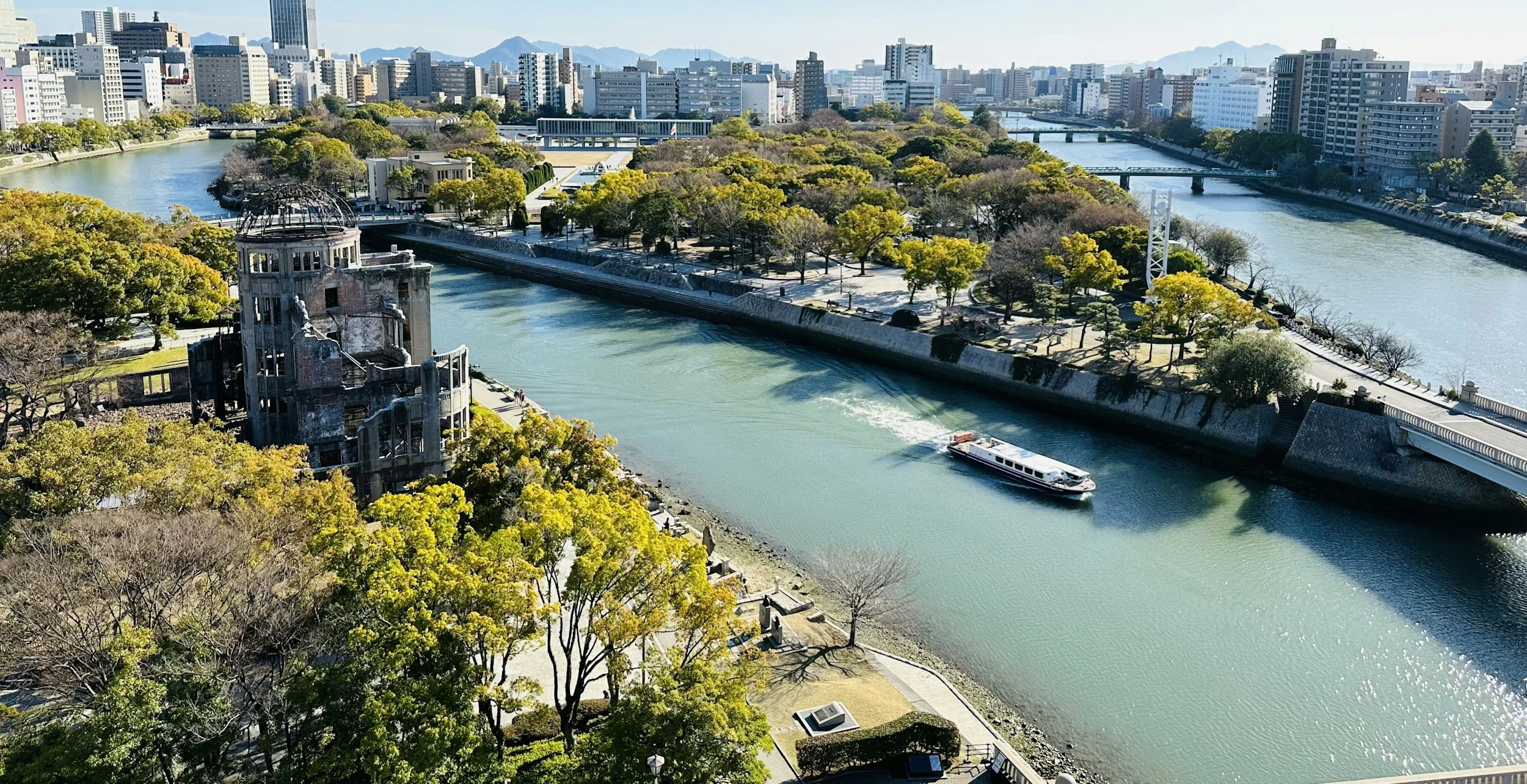
Enko River view in Hiroshima, Japan
Most people rush through Hiroshima on a half-day detour. That's a mistake. This city—rebuilt with intention, alive with warmth, and quietly stunning—deserves so much more than a checkbox on your Japan itinerary.
Let's be honest: Hiroshima makes people nervous. They worry it'll be "too heavy" or "depressing." And yes, the history here is profound. But what surprises everyone who actually stays is how vibrant, welcoming, and genuinely joyful this city feels.
The Hiroshima of today is a city of rivers and bridges, of sunset strolls and sizzling griddles, of locals who'll teach you to draw a bow like a samurai before dinner. It's the kind of place where you arrive thinking you'll stay one night and leave wishing you'd booked three.
Ready to see what everyone else is missing?
The Neighborhoods That'll Steal Your Heart
Nakamachi
For: The discerning traveler who wants boutique shops and elevated nightlife
This is where you'll find Hiroshima's more refined side—upscale boutiques, stylish cocktail bars, and restaurants where presentation rivals the food itself. If you appreciate a well-made martini and people-watching from a beautifully designed space, Nakamachi delivers.
Hondori
For: The social explorer who wants energy and options
Hiroshima's main covered shopping arcade stretches over 500 meters and pulses with life from morning coffee to late-night izakayas. This is where locals meet, where teenagers hang out after school, and where 200+ shops offer everything from traditional Japanese fabrics to the latest fashion. It's also your gateway to Okonomimura—but more on that delicious topic below.
Hijiyamahonmachi
For: The off-the-beaten-path seeker who wants residential charm
Say it with me: hee-jee-yah-mah-hon-mah-chee. Yes, it's a mouthful, but this quiet residential neighborhood rewards anyone willing to venture slightly beyond the main attractions. It's peaceful, authentic, and connected to the city center by reliable public transport. Perfect for families or anyone seeking calm.
Along the Enko River
For: The romantic soul who wants waterfront beauty
Hiroshima is a city of six rivers, and the Enko is particularly lovely for walking. Grab a coffee, follow the water, and watch the light change over the bridges. Some of the city's best boutique hotels have planted themselves along these banks for good reason—morning views here are unforgettable.
The Food: Yes, It's Worth the Trip
Hiroshima takes its culinary identity seriously. These aren't just dishes—they're points of regional pride.
Hiroshima-Style Okonomiyaki
What it is: A layered savory pancake built like a beautiful, delicious burger—thin batter, mountains of cabbage, yakisoba noodles, pork (or oysters!), and a perfectly fried egg, all topped with sweet-savory sauce and bonito flakes.
Where to try it: Head to Okonomimura near the east end of Hondori—three floors of nothing but okonomiyaki stalls, each with its own spin. Or hunt down Nagata-ya near Peace Park for a classic experience.
Pro tip: Watch the chef work. Half the magic is seeing them orchestrate that griddle ballet.
Hiroshima Oysters
What it is: Plump, juicy, and roughly the size of your palm. Hiroshima produces 60-70% of Japan's oysters, and the nutrient-rich waters of the Seto Inland Sea give them incredible depth of flavor.
How to eat them: Grilled (yakigaki) with garlic butter, deep-fried (kaki fry) with a squeeze of local lemon, or raw with ponzu. The best season is January and February, but you'll find them year-round.
Where to try it: Ekohiiki is a local favorite just steps from Peace Park.
Hiroshima Tsukemen
What it is: Cold, chewy noodles served alongside a spicy dipping broth made from pork bones, seafood, and chili oil. The temperature contrast (cold noodles, hot sauce) is surprisingly addictive.
Good to know: Hiroshima's version is known for being spicier than elsewhere in Japan—you'll typically choose your heat level.
Momiji Manju
What it is: Adorable maple leaf-shaped cakes filled with sweet red bean paste. They've been Hiroshima's signature souvenir since 1907.
Upgrade your experience: Try the deep-fried version (age momiji) from street vendors—the warm, crispy exterior changes everything.
Anago Meshi
What it is: Grilled saltwater eel over seasoned rice. Softer and less oily than its river eel cousin (unagi), anago has a delicate sweetness that pairs beautifully with the subtly seasoned rice.
What to See and Do
The Peace Memorial Park and Museum
Allow: At least 3 hours
Let's address this directly: yes, the Peace Memorial Museum is heavy. It's meant to be. But it's also beautifully curated, deeply human, and ultimately hopeful—a testament to resilience and a genuine commitment to peace.
The park surrounding the museum is serene and contemplative. You'll find the A-Bomb Dome (the skeletal remains of one of the few structures that survived), the Children's Peace Monument surrounded by thousands of paper cranes, and the Cenotaph for the A-bomb Victims with its powerful inscription.
My suggestion: Go in the late afternoon. Stay until sunset. Watch the city's lights come on over the rivers. The transition from reflection to vibrant evening life is part of understanding what Hiroshima has become.
Motomachi Shopping Streets
For: Souvenir hunting and local finds
Near the Peace Park area, this is where you'll find everything from traditional crafts to local specialty foods. Stock up on momiji manju for gifts, browse Japanese fabrics, and pick up items you won't find elsewhere.
Try Kyudo (Traditional Japanese Archery)
Duration: About 1 hour
This is one of my favorite recommendations for Hiroshima. Just a short walk from the Atomic Bomb Dome, you can don traditional archery garb (dogi upper wear and hakama lower wear) and learn the meditative art of drawing a Japanese bow.
SHA-RAKU (now relocated to Hiroshima Castle Sannomaru area as of early 2025) offers beginner-friendly sessions where you'll learn the history, philosophy, and technique of kyudo—and yes, you'll actually shoot. Unlike Western archery, kyudo emphasizes mindfulness and the spiritual journey as much as hitting the target.
Bonus: Legend has it that hitting a bulls-eye brings good luck and grants wishes. No pressure.
Take a Calligraphy Class
Duration: 1-2 hours
Several studios near Peace Memorial Park offer calligraphy (shodō) workshops for visitors. You'll learn basic strokes, the philosophy behind the art form, and leave with your own brushwork to take home. It's meditative, beautiful, and the perfect counterbalance to the more active parts of your day.
Walk the Rivers
No time limit—this is for wandering
Hiroshima's six rivers crisscross the city, and walking along them offers constantly changing perspectives. The Motoyasu River along Peace Park is particularly photogenic, but really, any riverbank rewards a slow stroll.
Consider: The Hiroshima River Cruise offers a 25-minute boat tour with sightseeing commentary if you'd rather sit and watch the city glide by.
Where to Stay
For Design-Forward Boutique Vibes
The Knot Hiroshima
A 5-minute walk from Peace Park, this boutique hotel has earned nearly 12,000 reviews for good reason. The design is minimalist-meets-warm, the rooftop terrace bar (Kei) is perfect for evening drinks, and their wood-fired pizza and acai bowls at breakfast are unexpectedly excellent. Look for off-peak discounts—prices can drop dramatically.
KIRO Hiroshima by THE SHARE HOTELS
A former hospital transformed into a design-forward boutique property. Minimalist rooms, a shared lounge, on-site bar, and that particular Japanese talent for making adaptive reuse feel intentional and beautiful.
For Waterfront Serenity
Lazuli Hotel & Lounge
Set on the Enko River with soft, neutral tones and private balconies. They'll lend you bikes, and the views over the water make returning after a long day feel like a reward.
Nagi Hotel & Lounge
Steps from Hiroshima Station, this boutique property mixes calm, airy rooms with playful communal spaces. Perfect positioning for exploring on foot.
For Full-Service Luxury
Sheraton Grand Hiroshima
Directly connected to Hiroshima Station, this offers everything you'd expect—huge rooms, multiple restaurants, indoor pool, spa, and panoramic city views. Great for those who want a refined home base with all the amenities.
Rihga Royal Hotel Hiroshima
About 10 minutes walking from Peace Park with spacious rooms, six restaurants, full spa, and indoor pool. The upper-level views are stunning.
Quick Tips for Your Visit
Getting around: Hiroshima's streetcar (Hiroden) system is charming and efficient. The Loop Bus hits major sightseeing spots. Bike-sharing (Pi-sukuru) is excellent for riverside exploring.
Best time to visit: Spring (cherry blossoms) and autumn (foliage) are beautiful. Winter means peak oyster season. Summer is hot but brings festivals.
How long to stay: Two nights minimum. Three lets you breathe. One night is a crime against this city.
Language: Most tourist areas have English signage and menus. Translation apps work seamlessly for everything else.
The Bottom Line
Hiroshima is a city that rebuilt itself around hope. The food is incredible. The people are genuinely warm. The rivers make everything more beautiful. And yes—the history is important to witness.
But you'll leave remembering the energy of Hondori at night, the satisfaction of finally hitting that kyudo target, the particular joy of watching your okonomiyaki being assembled like edible architecture.
This isn't a sad trip. It's a meaningful one. And there's a big difference.
Planning a longer Japan journey? We’d love to help you craft an itinerary that balances the iconic with the undiscovered. Let's talk about what makes your perfect trip.
